
Reimagining Packaging for the Direct-to-Consumer Era
Direct-to-consumer (D2C) retail has shifted from niche disruptor to omnipresent force. Every category, from sports nutrition to luxury skincare, now battles for consumer loyalty not just with products but with unboxing experiences and streamlined logistics. Custom packaging sits at the intersection of brand perception, regulatory compliance, and operational efficiency.
For retailers navigating this evolving landscape, packaging is no longer an afterthought or a cost center. Instead, it’s a tool that can elevate the brand story, improve margins, and even open new markets. However, the right path varies sharply depending on sector - pharmaceutical custom packaging faces strict oversight, while food custom packaging must balance freshness and environmental claims. My own experience guiding startups and established brands through these choices shows that cookie-cutter solutions rarely survive contact with the real world.
The Expanding Frontier: Who Needs D2C Custom Packaging?
Once limited to subscription boxes and fashion e-commerce, custom D2C packaging now touches nearly every vertical:
- Medical custom packaging shields sensitive diagnostics from contamination. Coffee custom packaging preserves aroma through multi-layer barriers. Cannabis & CBD custom packaging juggles child-resistance with shelf appeal. Household cleaning products require leak-proof pouches that stand up in transit.
A growing number of sectors recognize that generic corrugated boxes or shrink wrap won’t suffice. For example, laboratory custom packaging must protect vials during overnight shipping while enabling batch traceability for recalls. Food supplements need tamper-evident seals yet want light weight for postal delivery economics.
The demand extends beyond manufacturers to resellers and 3PL providers who need scalable yet distinctive solutions as part of their value proposition. Even government authorities have begun specifying bespoke packaging standards when distributing medical supplies or agricultural seeds.
Why Packaging Is a Strategic Investment
Retailers often underestimate the ripple effects of packaging decisions. Margins can erode quickly if you neglect dimensional weight in shipping calculations or run into customs delays due to missing regulatory markings.
Consider the case of a mid-sized biotech firm launching a D2C diagnostic kit in Europe. Their initial choice - a beautiful rigid box - delighted focus groups but doubled shipping costs compared to a lighter folding carton with molded pulp inserts. After several months of trial shipments, they switched designs and saw gross margin climb by 8%. They also reduced damages thanks to better internal bracing.
Packaging directly impacts:
- Brand consistency across channels (retail vs ecommerce vs subscription box). Return rates from damaged or spoiled goods. Consumer trust in product authenticity and safety. Operational speed in fulfillment centers. Compliance with diverse local regulations (especially in pharmaceuticals or food).
Early-stage companies sometimes chase visual trends at the expense of fundamentals such as pack-out efficiency or recyclability, only to grapple with scaling headaches later.
Sector-Specific Demands: One Size Never Fits All
Healthcare and Pharma: Stringent by Necessity
Medical logistics providers face intense scrutiny around sterility and traceability. Hospital custom packaging must withstand autoclaving or cold chain transport without leaching chemicals into contents.
Pharmaceutical custom packaging needs tamper evidence not just for legal reasons but because patient safety depends on it. Pharmacies custom packaging often incorporates serialized barcodes for anti-counterfeiting measures—a real concern given recent EU Falsified Medicines Directive enforcement actions.
Dental care custom packaging illustrates another complexity: kits containing both instruments and consumables need dual-compartment trays sealed under different atmospheric conditions. Veterinary custom packaging sometimes calls for bite-proof bottles when shipping chews or tablets intended for animals prone to gnawing through lesser containers.
Food & Beverage: Freshness First
In food retailing, shelf life is currency. Superfoods custom packaging typically uses high-barrier laminates that block oxygen ingress without adding much weight - vital when shipping chia or flax seeds over long distances.
Coffee and tea sellers invest heavily in degassing valves embedded into flexible pouches so beans can release carbon dioxide post-roast without allowing air back in. Dressings, oils & vinegars require leak-proof closures that resist temperature swings common during last-mile delivery.
Subscription box operators juggling nuts & dried fruits face challenges balancing portion size (single serve vs family packs) against cost per unit shipped. Ready meals & meal kits rely on modified atmosphere trays that preserve freshness days past what standard clamshells achieve.
Beauty & Personal Care: Protection Meets Presentation
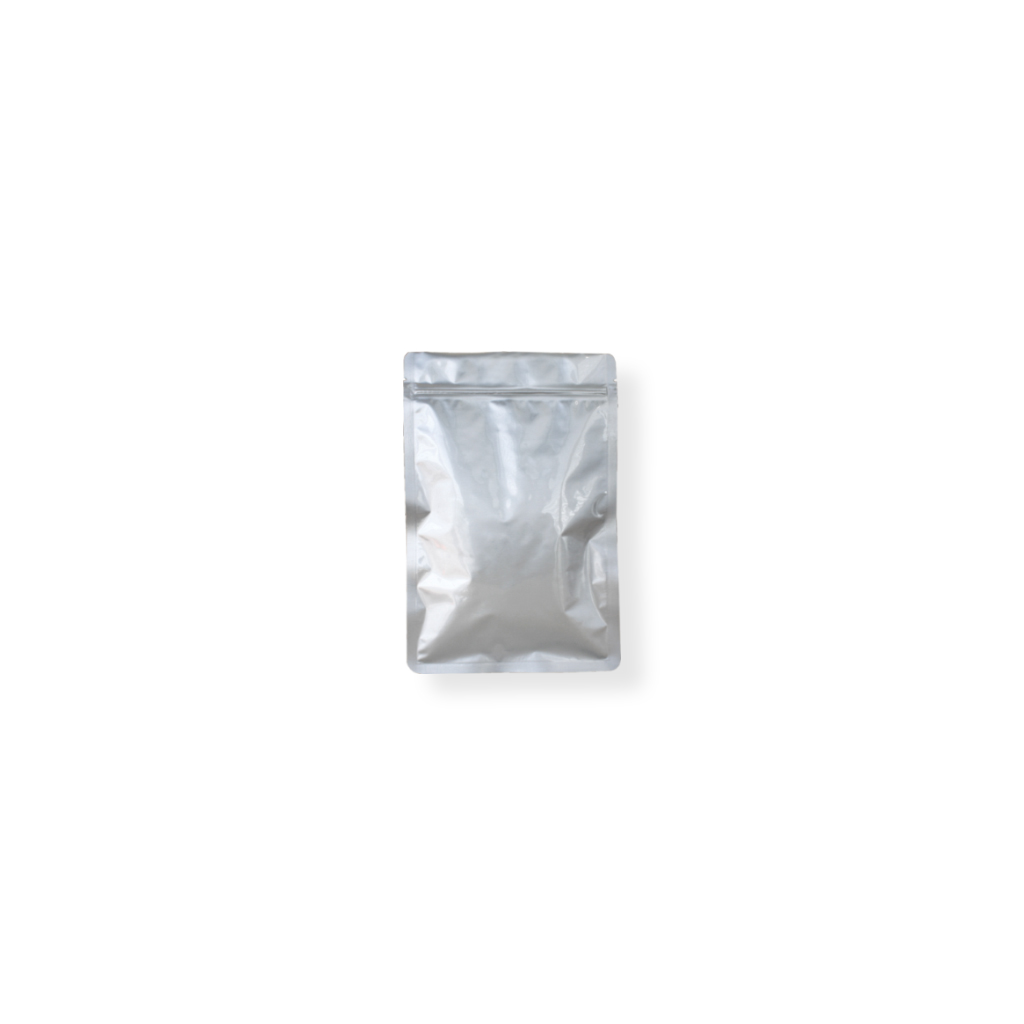
Cosmetics daklapack.us stand up pouches wholesale custom packaging walks a tightrope between visual impact and functional protection against leakage or UV degradation. Hair care products may ship in pump-top bottles requiring secure collar locks during transit; luxury gifting brands often add magnetic closures or foil stamping without sacrificing curbside recyclability.
Skincare products with active botanicals demand opaque containers that shield formulas from light-induced oxidation—an expensive lesson learned by several D2C brands whose creams arrived discolored after summer heatwaves overwhelmed thin plastic jars.
Industrial Sectors: Strength Above All
Construction materials like fast-setting cements arrive safely only if bags resist punctures from sharp aggregates inside them; plant nutrition (fertilizer) suppliers have migrated toward multi-wall paper sacks lined with moisture barriers to prevent clumping en route to farms.
Industrial colorants present their own hazards—custom pails require chemical-resistant liners lest pigments fuse permanently with container walls during unplanned warehouse stays.
The Anatomy of Effective D2C Packaging Design
Several traits define successful D2C-focused packages across categories:
Ship-readiness: Survives multiple handoffs (often automated) from fulfillment center to porch without splitting seams or leaking liquids. Regulatory compliance: Displays all required information legibly in multiple languages; passes spot inspections at borders. Branding flexibility: Adapts core brand assets (color palette, logos) while remaining legible at small scale or under variable lighting. Cost discipline: Hits target landed cost per unit even as order volumes fluctuate seasonally. Sustainability alignment: Minimizes plastic use where possible; supports recycling streams familiar to consumers.I’ve seen even seasoned teams overlook how small tweaks - like reducing outer carton thickness by half a millimeter - can save tens of thousands annually once scaled up across SKUs moving through 3PL networks worldwide.
Unpacking Trade-offs: Real-Life Decisions Retailers Face
No solution excels everywhere; compromises are inevitable depending on priorities:
A supplement company debating glass versus PET bottles faces an uncomfortable truth - glass signals premium positioning but risks breakage during courier handling unless paired with expensive foam inserts, which undermine sustainability claims. PET is lighter but may not satisfy premium buyers accustomed to “heft” as an indicator of quality.
Cannabis brands working across US states juggle patchwork regulations around child resistance and opacity requirements for outer cartons—sometimes forcing entirely separate supply chains per jurisdiction despite near-identical product formulas inside each packout run.
For household cleaning product lines launched via ecommerce channels rather than brick-and-mortar shelves, pouch formats promise material savings but can disappoint customers expecting solid bottles they associate with “real” detergents—not refill sachets tucked into mailers alongside instruction cards explaining proper dilution ratios.
Veterinary nutraceuticals targeting both clinics (bulk tubs) and pet owners (single-dose sticks) find themselves specifying two parallel supply chains simply because veterinarians demand tamper-evidence while direct buyers focus on convenience and ease-of-use above all else.
The Role of Technology in Modern Custom Packaging
Digital printing has revolutionized minimum order quantities (MOQs), making short runs viable even for niche SKUs—critical for subscription box operators testing seasonal flavors or one-off collaborations between influencers and existing brands.
Smart labeling using QR codes enables real-time serialization for pharmaceuticals or ingredient traceability in food supplements; savvy cannabis & CBD vendors now leverage these features not just for compliance but as engagement tools pointing customers toward usage tutorials or loyalty programs online.
Automated die-cutting allows rapid prototyping so design tweaks reach market faster—once measured solely in weeks, turnarounds now happen within days at some specialty shops serving apparel ecommerce clients battling fast-fashion timelines imposed by viral TikTok trends.
Still, over-reliance on technology carries risk too: highly customized assemblies sometimes stymie fulfillment automation if tolerances are too tight or if third-party logistics providers lack compatible equipment on their packing lines—a headache I’ve witnessed firsthand when ambitious dieline shapes led to costly hand-packing exceptions mid-campaign launch rushes.
Sustainability Pressures Intensify
Consumers increasingly scrutinize not just contents but also how those contents arrive at their doorsteps. Regulatory tailwinds compound this effect—the EU’s single-use plastics directive forced many food supplement suppliers out of legacy blister packs practically overnight; US states have begun mandating extended producer responsibility schemes shifting end-of-life costs onto retailers themselves rather than municipalities alone.
Brands responding credibly focus efforts here:
Table: Common Sustainability Strategies by Sector
| Sector | Typical Approach | |---------------------------|--------------------------------------------| | Food/Beverage | Compostable films/bioplastics | | Pharmaceuticals | Recyclable mono-materials | | Cosmetics/Beauty | PCR plastics/refill systems | | Household Cleaners | Concentrate sachets/reduced water content | | Apparel | FSC-certified paper mailers |
Success stories abound - one superfoods supplier cut annual CO₂ emissions by 18% after switching from multilayer foil pouches to home-compostable cellulose-based packets across its top five SKUs, according to their published LCA audit results last year.
Yet pitfalls remain plentiful; compostable options sometimes degrade shelf life below what’s commercially feasible unless stored perfectly dry throughout distribution—a challenge outside tightly controlled supply chains found only among leading pharma players today.
Navigating Regulations Without Losing Your Edge
Regulatory landscapes shift rapidly across categories such as medical devices, tobacco products, cannabis & CBD items, chemicals, agricultural seeds—each carrying its own vocabulary of warnings, symbols, serialization mandates and import restrictions enforced at both national borders and state/provincial levels within countries like the US or Canada.
A large North American dental care distributor learned this lesson when a minor translation error on sterilization instructions triggered seizure of an entire container shipment at port—delaying hospital deliveries by weeks until corrected labels could be applied locally under customs supervision.
For retailers expanding internationally via webshop platforms:
Checklist for Regulatory Readiness
Confirm language/localization on all mandatory statements per destination market Validate material certifications meet health/environmental standards (REACH/RoHS/FDA) Document traceability protocols especially where serialized tracking is required Pre-clear prototypes with customs brokers before mass production Monitor law changes quarterly through industry associationsEven giant players trip up here—recalls due to non-compliant batch codes made headlines several times last year alone among multinational supplement vendors selling via Amazon’s pan-European network.
Fulfillment Realities: Scaling Customization Without Chaos
As sales grow across channels—from direct webshops using Shopify plugins to partnerships with major 3PLs—the practicalities of pack-out speed versus personalization come into sharper relief.
Too much customization bogs down fulfillment lines meant for uniformity; too little risks erasing your unique story amid generic brown boxes.
The best operators map out tiered approaches:
- Core unbranded protective layers inside branded sleeves enable last-minute swaps between retail/online orders Variable data printing allows batch-level messaging (“Hello Boston!”) instead of true one-to-one personalization Subscription box brands pre-kit inserts based on known customer profiles then assemble final packs JIT (just-in-time) closer to ship date
It isn’t glamorous work—but investments here pay dividends measured both in NPS scores and bottom-line labor savings.
Lessons From the Field
During my years consulting CPG startups pivoting toward D2C models mid-pandemic, I saw more than one founder underestimate how quickly manual boxing operations hit bottlenecks when daily order volume tipped past 500 units—a threshold where investing $10k–$20k upfront in semi-automated taping stations paid off within months via reduced overtime spend.
One European supplement seller went further still: integrating software triggers that routed fragile glass bottle orders exclusively through partner warehouses equipped for extra cushioning steps avoided costly breakage fees downstream—even though it meant slightly slower average ship times versus less delicate SKU groups handled elsewhere.
Small efficiencies stack up over time—inserting “ship flat” instructions helped one apparel retailer halve returns caused by crushed hats after customers complained about misshapen brims arriving tucked beneath heavy jeans during Black Friday surges.
Looking Ahead
Rapid advances continue—from edible QR code labels tested on nuts & dried fruits packs (promising zero waste tracing), to refill loop pilots among laundry detergent giants aiming squarely at Gen Z eco-conscious shoppers.
Retailers who treat D2C custom packaging as strategic infrastructure rather than mere expense find themselves better equipped both operationally and reputationally as expectations rise each season—from regulators demanding transparency down supply chains right through end consumers seeking ever more distinctive unboxing moments shared across social feeds.
Those willing to experiment early—and adapt quickly based on hard data not hunches—will keep pace as new competitors emerge constantly across medical devices, gourmet foods, beauty regimens and household staples alike.
Packaging remains tangible proof of your promise delivered—or broken—at every doorstep touched along your growth journey.